
A foam roller is one of the cheaper recovery tools you can own. The name covers a lot, from a soft 30cm roller to a rigid textured roller made to dig into tight spots. Which one suits you depends on what you’re rolling and how used to rolling you are. We also get asked a lot about rollers for the feet, often by people with plantar fasciitis, so there’s a section on those below.
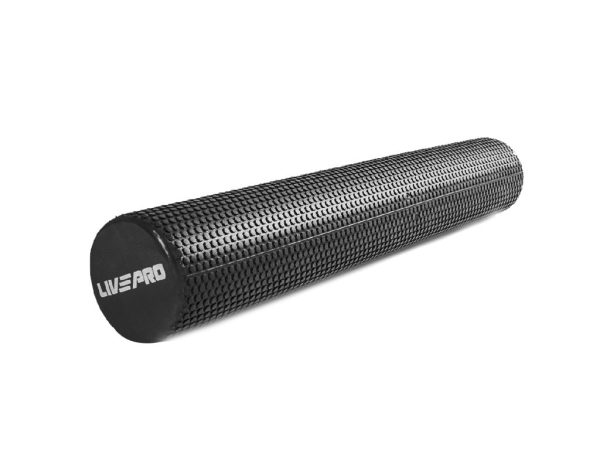
Density: the first decision
Density sets how much pressure the roller puts into you, and it decides whether a roller feels useful or unbearable.
- Softer foam suits beginners, large muscle groups and anyone rolling every day as general maintenance. It’s kind on tender spots and comfortable enough that you’ll keep using it, and a roller left in the cupboard does nothing.
- Medium-density EPP foam is the all-rounder. It’s firm enough to get into the muscle without being punishing. The 30cm EPP Foam Roller sits here and makes a sensible first roller if you don’t have a particular area in mind.
- Firm, textured rollers like the TriggerPoint GRID 2.0 Foam Roller have a rigid hollow core and a moulded surface that spreads pressure unevenly on purpose, a bit like a massage therapist’s hands. They suit experienced users, or anyone who has stopped feeling a plain roller do much. The 90cm EPP Foam Roller (Very Firm) is the smooth option at this end.
If in doubt, go softer than you think. A roller that hurts gets used less than a medium one you’ll reach for three times a week.
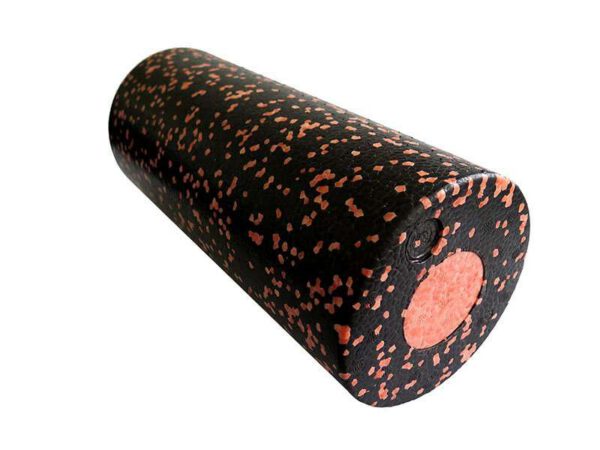
Size and shape
- Full-length rollers (90cm) stay stable and level across your back, and they’re what group classes and clinics tend to use. They take up more storage room. The 90cm EVA Foam Roller Black Livepro and the 90cm Premium Foam Roller are both 90cm long and 15cm across.
- Half-length rollers (30 to 45cm) are the practical choice for most home users. They handle legs, glutes and back and fit in a cupboard or under a bed. Try the 45cm EVA Foam Roller LivePro or the 45cm Contour Massage Foam Roller. The Deep Tissue Foam Roller 79cm sits between the two sizes.
- Travel and mini rollers such as the Mini Therapy Travel Foam Roller or the 30cm x 10cm EVA Smooth Foam Roller go in a gym bag. They won’t replace a full roller at home, but they keep the habit going when you’re away.
- Half-round rollers like the Half Round Foam Roller EPP 45cm have a flat base, so they’re steadier for balance and rehab exercises where you stand or kneel on the roller.
How to use a foam roller
- Sit or lie with the roller under the muscle you want to work, such as your calves, hamstrings, quads or upper back.
- Take some of your weight on your hands or your other leg so you can control the pressure.
- Roll slowly along the muscle for 30 to 60 seconds. When you find a tight spot, pause there and breathe for a few seconds.
- Keep the roller off joints and bones. For the lower back, use a massage ball or a half-round roller instead of a full roller.
- Roll before training as part of your warm-up, or afterwards as part of your cool-down.
Foot rollers and plantar fasciitis
Plantar fasciitis is one of the most common reasons customers ask us about rollers. A body roller is too big for the sole of your foot, so people who want to roll their feet use a small, firm foot roller.
The usual way is to sit or stand, put the roller under your arch and roll slowly from the heel to the ball of your foot, easing off on tender spots. The TriggerPoint NANO Foot Roller is sized for this. The Foot Massage Roller for Plantar Fasciitis is 17cm long and 6cm across, and the Hot and Cold Foot Roller for Plantar Fasciitis can be used warm or cold and holds its temperature for up to 30 minutes. A Cork Peanut Massage Ball works under the foot too. There are more in foot rollers and toe spacers.
A few practical points:
- A foot roller doesn’t replace a diagnosis. If your heel or arch has been sore for a while, see a podiatrist or physio, and ask them how rolling fits into your routine.
- A frozen water bottle or a firm ball will do in a pinch, but a foot roller gives steadier, easier-to-control pressure along the arch.
- Many people also stretch their calves on a slant board. See our slant boards, or the Calf Stretching Slant Board LivePro, which sets at 4, 10, 20, 30 or 40 degrees.
Material and durability
Most rollers are EVA foam or EPP (expanded polypropylene). EVA is cheaper and can wear faster with heavy use. EPP is firmer and holds its shape longer, so it’s the better long-term buy if you roll most days. TriggerPoint’s GRID rollers wrap a foam shell around a rigid ABS plastic core, which is why they last with daily use and on hard floors. Cork is another option: the Cork Roller 30cm x 10cm is ultra firm.
Picks by use
- First roller for home: the 30cm EPP Foam Roller or the 45cm EVA Foam Roller LivePro.
- Full back and group classes: the 90cm EVA Foam Roller Black Livepro.
- Firm, textured rolling: the TriggerPoint GRID 2.0 Foam Roller or the Rehab Foam Roller 33cm Black.
- Gym bag and travel: the LivePro Foam Roller Blue 33cm.
- Balance and rehab exercises: the 30cm Half Round EVA Foam Roller Black.
- Feet: the TriggerPoint NANO Foot Roller or the Foot Massage Roller for Plantar Fasciitis.
Rollers compared
| Roller | Size | Build and surface | Price |
|---|---|---|---|
| 30cm x 10cm EVA Smooth Foam Roller | 30cm x 10cm | Smooth EVA, travel size | $29.00 |
| Cork Roller 30cm x 10cm | 30cm x 10cm | Cork, ultra firm | $39.00 |
| Massage Foam Roller Black 33cm | 33cm | Ridged surface | $29.00 |
| Accu Foam Roller Hollow 33cm x 13cm | 33cm x 13cm | Hollow, firm ridges | $35.00 |
| LivePro Foam Roller Blue 33cm | 33cm x 14cm | Fits a gym bag | $45.00 |
| Rehab Foam Roller 33cm Green | 33cm | Textured surface, hard hollow core | $45.00 |
| Rehab Foam Roller 33cm Black | 33cm | Textured surface, hard hollow core | $49.00 |
| 45cm EVA Foam Roller LivePro | 45cm x 15cm | Dimpled EVA | $49.00 |
| 45cm Contour Massage Foam Roller | 45cm x 15cm | Contoured EPP | $49.00 |
| 30cm Half Round EVA Foam Roller Black | 30cm x 15cm | Half round, flat base | $25.00 |
| Half Round Foam Roller EPP (90cm) | 90cm | Half round EPP | $49.00 |
| 90cm EVA Foam Roller Black Livepro | 90cm x 15cm | Dimpled EVA | $69.00 |
| 90cm EPP Foam Roller (Very Firm) | 90cm x 15cm | Smooth EPP, very firm | $69.00 |
| 90cm Premium Foam Roller | 90cm x 15cm | EVA, blue or black | $79.00 |
| Foot Massage Roller for Plantar Fasciitis | 17cm x 6cm | PU and TPE foot roller | $35.00 |
| Hot and Cold Foot Roller for Plantar Fasciitis | Foot size | Used warm or cold, holds temperature up to 30 minutes | $35.00 |
Quick buying checklist
- New to rolling, or rolling daily: a soft to medium EVA or EPP roller.
- Experienced and after firmer pressure: a textured, higher-density roller.
- Short on storage or travelling: a half-length or mini roller.
- Rolling your feet: a small foot roller instead of a full body roller.
- Heavy regular use: EPP or an ABS core over basic EVA foam.
Compare sizes and densities side by side in our foam rollers range. We ship NZ-wide.