
A weighted vest adds load to walking, running and bodyweight training without a rack of plates. Which vest suits you depends on what you’ll do in it, and a vest that fits badly tends to end up in the cupboard after a couple of sessions.
How heavy should it be? Start at around 5 to 10% of your bodyweight, and only go heavier for rucking or strength work.
Start with what you’ll use it for
A vest that works for rucking or weighted walks is often a poor choice for CrossFit or box jumps, and the other way round. Match the vest to the activity first, then think about weight.
Walking and rucking
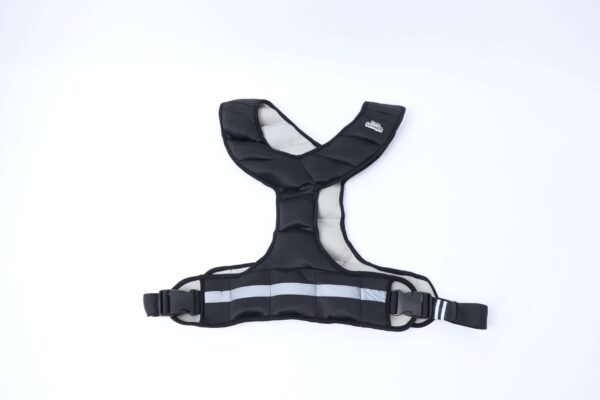
Weighted walking is still one of the most common uses in New Zealand. It makes a normal walk harder without adding running or jumping. You want a vest that sits close to the body and doesn’t bounce. The Adjustable Weighted Vest 5-9kg is a good place to start: light enough to begin with, and you add weight bags as you get fitter.
Running
Running asks more of the fit. The vest has to stay locked to your torso through every stride, or it will bounce and rub. Lighter loads of 3 to 5kg are the sensible range for runners, since anything heavier changes the way you run unless you’re training for it. The Pure Strength Weighted Vest 5kg is compact and close fitting, so it won’t throw off your stride. If you run early or late, a Reflective Running Vest over the top makes you easier to see in low light.
CrossFit and functional training
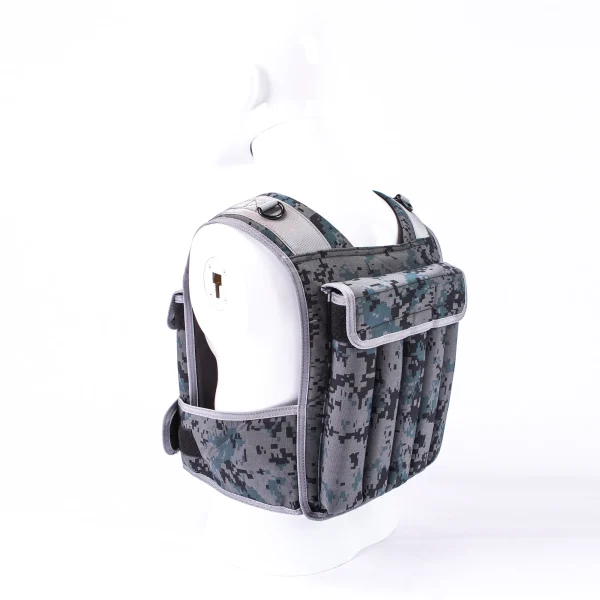
For WODs, weighted pull-ups, lunges and step-ups, the vest mustn’t restrict your shoulders or ride up when you move fast or go upside down. The Weighted Vest 20kg Camo LivePro has ten weight pockets around the middle of the torso that you tighten down with the waist straps, so the load stays put during fast work.
How much weight should you get?
Most people overbuy here. A general rule that works for most buyers:
- Beginners, walking or rehab: 3 to 5kg. Enough to feel the difference without wrecking your form.
- Intermediate or general conditioning: 5 to 10kg, preferably in a vest with removable weights so you can build up gradually.
- Advanced, rucking or strength work: 10 to 20kg or more, usually in a structured vest made for heavier loads, such as the Pure Strength Weighted Vest 12kg or the Pure Strength 30kg Adjustable Weight Vest.
A common guideline is to keep the vest under about 10% of your bodyweight for regular use, and to work up slowly from there if you’re training for load-carrying events such as military selection or rucking races. If you have an injury or you’re new to loaded training, talk to a physio before you start. Either way, start light.
Fixed weight or adjustable?
This matters more than the number on the label.
- Fixed-weight vests are simpler and tend to sit better, because the weight is built into the vest and can’t shift around in pockets. They suit you if you already know roughly what load you want long term.
- Adjustable vests let you add or remove weight as you go. That helps if you’re progressing over months, sharing the vest with someone at a different fitness level, or still working out what load suits you. The Adjustable Weighted Vest 5-9kg uses small iron pellet weight bags, the Adjustable Weighted Vest 10KG holds 8 iron sand packs of 1.25kg each, and the 20kg LivePro vest takes 10 iron sand bags of 2kg.
Fit matters more than most buyers expect
A vest that shifts, bounces or rides up changes your posture, and it can rub as you compensate without noticing. Things to check:
- Shoulder padding. The weight sits mostly on your shoulders and traps, and thin straps get uncomfortable fast once you’re over 5kg. The Adjustable Weighted Vest 10KG has padded foam on the shoulders, and so does the Pure Strength 30kg vest.
- Adjustment points. Side or waist straps let you cinch the vest in so it moves with you, which matters most for running and jumping. The Pure Strength 30kg vest has 50cm of adjustment in its closure.
- Women’s cut. The Women’s Weighted Vest 8kg Black and the Women’s Weighted Vest 5kg Black sit differently around the chest and shoulders from a unisex cut. Worth trying if a standard vest hasn’t fitted you well before.
- Panel coverage. Vests that spread the weight across the front and back feel steadier over long sessions than ones that pack it into a few pockets.
Materials and durability
Outer shells are usually nylon, canvas or neoprene. In our range the Adjustable Weighted Vest 10KG and the Pure Strength 30kg vest have nylon shells, the Weighted Vest 20kg Camo LivePro is heavy duty army camouflage canvas, and the Adjustable Weighted Vest 5-9kg is neoprene. Look for double stitching around the weight pockets, since that’s where a cheap vest fails first. Iron sand bags are quieter and mould to your body, while plate-carrying vests such as the Livepro Tactical Weight Vest 10kg, which takes medium and large ballistic plates front and back, hold their shape under heavy use.
If you train outdoors in Wellington rain or coastal salt air, choose a shell that dries quickly. A vest that stays damp against your skin is unpleasant and wears out the stitching faster.
Picks by use
- Weighted walking: the 3kg Pure Strength Weighted Vest or the Adjustable Weighted Vest 5-9kg.
- Running: the Pure Strength Weighted Vest 5kg or the Liveup Sport Weighted Vest 5kg.
- A women’s cut: the Women’s Weighted Vest 5kg Black, the Women’s Weighted Vest 5kg Pink or the 8kg Black.
- CrossFit and circuits: the Weighted Vest 10kg Livepro Camo or the 20kg camo vest.
- Heavier strength and rucking: the Pure Strength Weighted Vest 10kg, the 12kg, or the Pure Strength 30kg Adjustable Weight Vest.
You can compare them side by side in our weighted vests range.
Weighted vests we stock
| Vest | Load | From the product data | Price |
|---|---|---|---|
| 3kg Pure Strength Weighted Vest | 3kg | Fixed load | $89.00 |
| Pure Strength Weighted Vest 5kg | 5kg | Fixed load | $99.00 |
| Liveup Sport Weighted Vest 5kg | 5kg | Fixed load | $99.00 |
| Women’s Weighted Vest 5kg Black | 5kg | Women’s vest | $125.00 |
| Women’s Weighted Vest 5kg Pink | 5kg | Women’s vest | $125.00 |
| Adjustable Weighted Vest 5-9kg | 5 to 9kg | Neoprene, iron pellet weight bags | $165.00 |
| Pure Strength Weighted Vest 8kg | 8kg | Fixed load | $115.00 |
| Women’s Weighted Vest 8kg Black | 8kg | Women’s vest | $145.00 |
| Pure Strength Weighted Vest 10kg | 10kg | Fixed load | $125.00 |
| Adjustable Weighted Vest 10KG | 10kg | 8 iron sand packs, padded shoulders, nylon shell | $99.00 |
| Weighted Vest 10kg Livepro Camo | 10kg | Ten weight pockets around the torso | $109.00 |
| Livepro Tactical Weight Vest 10kg | 10kg | Takes medium and large ballistic plates | $275.00 |
| Pure Strength Weighted Vest 12kg | 12kg | Fixed load | $135.00 |
| Weighted Vest 20kg Camo LivePro | 20kg | 10 x 2kg iron sand bags, camouflage canvas | $149.00 |
| Pure Strength 30kg Adjustable Weight Vest | 30kg | Nylon, padded shoulders, 50cm of adjustment | $279.00 |
Weighted vest questions
How many kilograms should my weighted vest be?
A good starting point is around 5 to 10% of your bodyweight. That gives your body time to get used to the extra load before you add more.
Can I run in a weighted vest?
Yes, with a light vest of 3 to 5kg that straps in tight so it doesn’t bounce. Build up your distance before you add weight.
Should I buy fixed or adjustable?
Adjustable if you expect to add load over the coming months. Fixed if you already know the weight you want.
A quick buying checklist
- Pick the weight range for what you’ll actually do, and start lighter than you think.
- Choose fixed or adjustable based on whether you expect to add load over time.
- Check the shoulder padding and side straps if you’ll be moving fast (running, box jumps, pull-ups).
- Try a women’s vest if a standard one hasn’t fitted well before.
- Match the build to how often and how hard you’ll use it.
We’re an online store, and we ship weighted vests NZ-wide from our warehouse in Plimmerton, Porirua.